
Table of Contents
- What is a Weighbridge?
- How Does a Weighbridge Work?
- Key Components of a Weighbridge System
- What is Weighbridge Operations?
- Purpose and Benefits of Weighbridges
- Types of Weighbridges
- Weighbridge Prices in Nigeria
- Finding a Weighbridge Near You
- Industries Using Weighbridges in Nigeria
What is a Weighbridge?
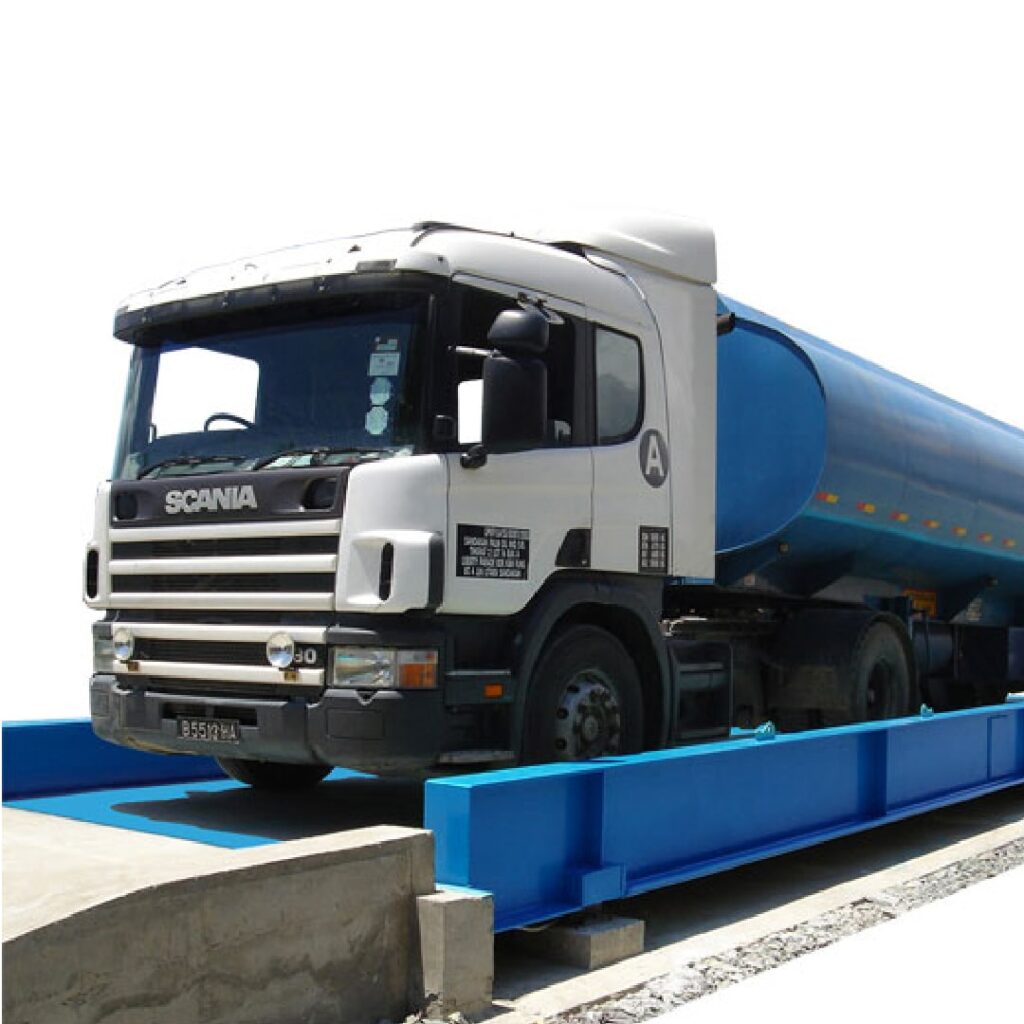
A weighbridge (also called a truck scale) is heavy-duty industrial weighing equipment designed to measure the weight of large vehicles and their loads. Think of it as a massive scale built into the ground or mounted on a platform where trucks drive on to get weighed.
In Nigeria, weighbridges typically handle capacities ranging from 60 tons to 120 tons, making them essential for industries that transport bulk goods like cement, agricultural produce, petroleum products, and construction materials.
The term “weighbridge” comes from the bridge-like platform that vehicles drive onto during the weighing process. This platform contains precision sensors that calculate the total weight and display it on a digital indicator.
How Does a Weighbridge Work?
The weighing process follows a simple but accurate procedure:
Step 1: Vehicle Positioning The truck drives onto the weighbridge platform, ensuring all wheels are properly positioned on the weighing surface. The driver stops completely to allow the system to capture an accurate reading.
Step 2: Weight Measurement Load cells (precision sensors) embedded beneath the platform detect the pressure from the vehicle’s weight. These load cells convert the physical force into electrical signals.
Step 3: Signal Processing The electrical signals travel to a digital indicator or weighbridge terminal, which processes the data and calculates the total weight in real-time.
Step 4: Display and Recording The weight appears on a digital display visible to the operator. Modern weighbridge systems automatically record the data, including vehicle ID, date, time, and weight measurements, which can be printed or stored electronically.
Step 5: Net Weight Calculation To determine the actual cargo weight, the system performs two weighings: first when the truck is loaded (gross weight), then when empty (tare weight). The net weight equals gross weight minus tare weight.
Key Components of a Weighbridge System
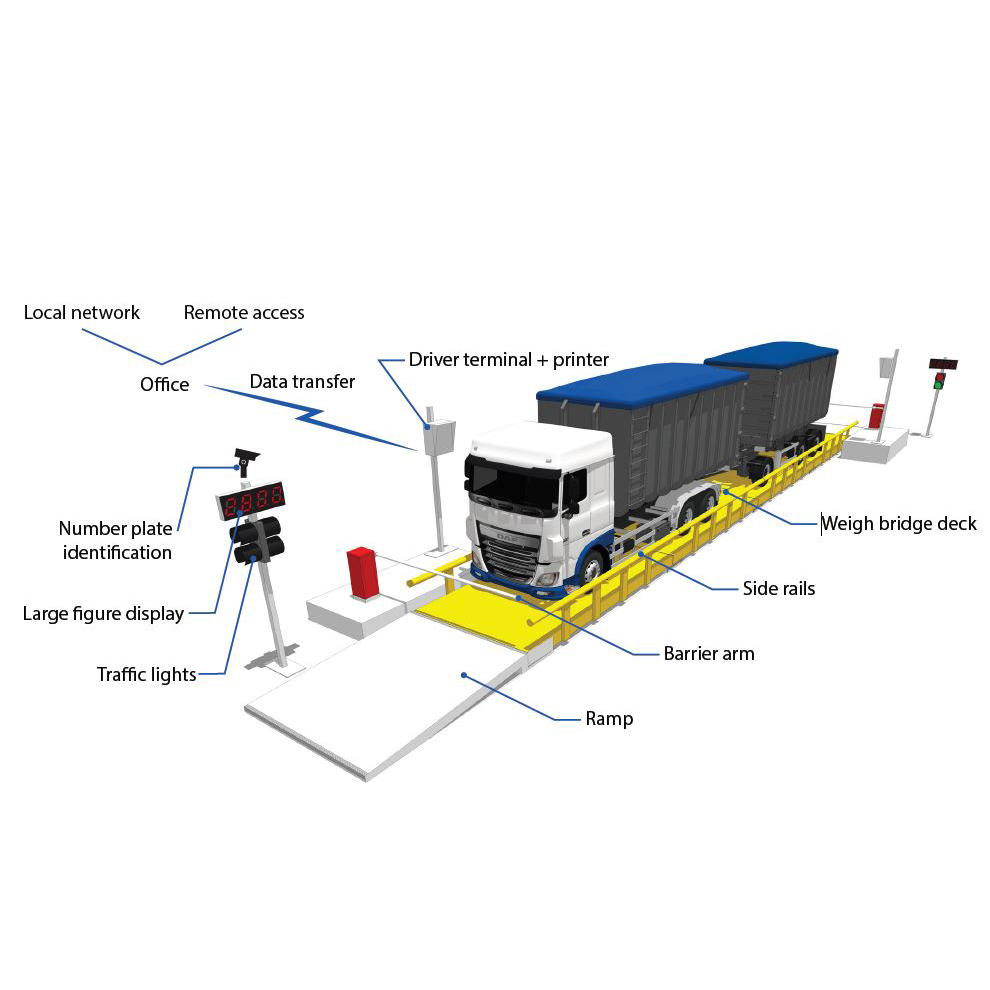
A complete weighbridge installation consists of several critical parts:
Weighing Platform The steel or concrete deck where vehicles are positioned. Standard sizes in Nigeria are typically 3 meters wide by 18 meters long, accommodating most commercial trucks and trailers. The platform is constructed with high-strength U-shaped beams and checker-plated steel for durability.
Load Cells These are the heart of the weighbridge. IP68-rated digital load cells provide precision measurements even under harsh Nigerian weather conditions including heat, humidity, and dust. Most systems use 6-10 load cells strategically positioned under the platform.
Digital Indicator/Terminal This displays the weight readings and manages data. Modern indicators feature LCD or LED displays, with capabilities to connect to printers, computers, and management software.
Weighbridge Software Advanced systems include software that records transactions, generates reports, tracks vehicles, and integrates with enterprise resource planning (ERP) systems. This enables automated data collection and inventory management.
Foundation A solid concrete foundation supports the entire structure. The foundation must be engineered to handle the maximum load capacity plus vehicle weight, considering local soil conditions.
What is Weighbridge Operations?
Weighbridge operations refer to the complete process of using a weighbridge system for commercial or regulatory purposes. This includes:
Vehicle Registration Each truck or vehicle is assigned a unique identification number or uses existing license plate details for tracking purposes.
Weighing Procedures Operators follow standardized protocols: vehicles approach at low speed, stop completely on the platform, wait for the weight to stabilize, then proceed after recording.
Data Management All weighing transactions are logged with timestamps, vehicle details, cargo types, and weight measurements. This data supports billing, inventory control, and compliance reporting.
Quality Control Regular calibration ensures accuracy. Nigerian weighbridges must comply with Standards Organization of Nigeria (SON) requirements for commercial weighing equipment.
Security Measures Modern operations include CCTV cameras, automatic barriers, and software controls to prevent fraud and unauthorized access.
Purpose and Benefits of Weighbridges
Weighbridges serve multiple critical functions in Nigerian businesses:
Accurate Trade Transactions Whether selling cement, cocoa, cassava, petroleum, or granite, weight determines cost. Weighbridges prevent disputes between buyers and sellers by providing certified weight measurements that both parties can trust.
Regulatory Compliance Nigerian Federal Road Safety Corps (FRSC) and state authorities enforce strict load limits to prevent road damage. Overloaded trucks face penalties and can be impounded. Weighbridges help companies comply with legal weight restrictions.
Inventory Management Warehouses, factories, and ports use weighbridges to track inbound and outbound loads accurately. This improves stock management, reduces losses from estimation errors, and enhances logistics planning.
Cost Savings Accurate weighing eliminates revenue loss from undercharging or material loss from overloading. Companies report savings of millions of naira annually by eliminating weight discrepancies.
Road Safety Overloaded vehicles are dangerous and cause excessive road wear. Weighbridges help maintain safe load limits, protecting infrastructure and reducing accident risks.
Operational Efficiency Modern weighbridges process vehicles quickly, reducing loading dock time by up to 40%. Faster turnaround means more deliveries per day and improved productivity.
Types of Weighbridges
Surface Mounted Weighbridges These sit above ground level with ramps on both ends for vehicle access. They’re quicker to install, require less civil work, and offer easier maintenance access. Surface-mounted weighbridges are ideal for locations with space for approach ramps or where excavation is difficult.
Pit Mounted Weighbridges These are installed in a pit with the platform at ground level. Vehicles drive directly onto the weighbridge without ramps. Pit-mounted systems save space but require extensive excavation and drainage solutions to prevent water accumulation during Nigeria’s rainy season.
Portable Weighbridges Designed for temporary installations or locations requiring mobility. These modular systems can be relocated as needed, making them suitable for construction sites, mining operations, or agricultural applications in rural areas.
Multi-Deck Weighbridges Split into sections, allowing axle-by-axle weighing. This helps identify load distribution problems and ensures compliance with axle load regulations.
Weighbridge Prices in Nigeria
The cost of a weighbridge in Nigeria varies based on capacity, installation type, and features:
Basic Pricing Structure
- 60-80 Ton Capacity: Starting from ₦8 million to ₦15 million for the equipment
- 100-120 Ton Capacity: Ranging from ₦15 million to ₦25 million
- Complete Installation: Total project costs including foundation and software typically range from ₦18 million to ₦30 million
Price Factors
- Platform Size: Larger platforms (3m x 21m vs. 3m x 18m) cost more due to additional materials and load cells.
- Load Cell Quality: IP68-rated digital load cells are more expensive but offer better accuracy and weather resistance compared to analog sensors.
- Installation Type: Surface-mounted installations are generally less expensive than pit-mounted due to reduced civil work requirements.
- Software and Integration: Basic digital indicators cost less than advanced weighbridge management systems with ERP integration, automatic vehicle recognition, and cloud connectivity.
- Accessories: Traffic lights, barriers, CCTV cameras, scoreboards, and remote displays add to the total cost.
Example Investment A Nigerian agricultural company recently installed a surface-mounted 100-ton weighbridge with foundation work and management software for approximately ₦20 million. The system reduced truck processing time by 40% and paid for itself within 4 years through improved efficiency and eliminated weight discrepancies.
Financing Considerations Many Nigerian weighbridge suppliers offer payment plans or can connect buyers with equipment financing options. Some businesses include weighbridge costs in their capital expenditure budgets, recognizing the long-term return on investment.
Finding a Weighbridge Supplier Near You
Locating Weighbridge Supplier in Nigeria
For businesses seeking weighbridge installation or services:
Major Cities: Lagos, Abuja, Port Harcourt, Kano, Ibadan, and other commercial centers have multiple weighbridge suppliers and service providers.
Meet Mechatronix Group: Nigeria’s Trusted Weighbridge Expert
When searching for “weighbridge near me” in Nigeria, Mechatronix Group stands out as a government-approved supplier with a proven track record. With 6 years of specialized experience in the Nigerian market, Mechatronix Group has established itself as a leading provider of weighing solutions across the country.
Why Choose Mechatronix Group?
Government Approved: Mechatronix Group is certified and approved by Nigerian regulatory authorities, ensuring all installations meet SON standards and legal requirements for commercial weighing.
Complete Service Package: Unlike suppliers who only sell equipment, Mechatronix Group provides end-to-end solutions including expert consultation, professional installation, comprehensive staff training, and ongoing maintenance support.
6 Years of Nigerian Experience: Understanding local challenges is crucial. Mechatronix Group’s team has successfully installed weighbridges across diverse Nigerian environments—from humid coastal regions to dusty northern climates—and knows how to design systems that perform reliably year-round.
Expert Sales Team: Their experienced consultants help you select the right weighbridge capacity, type, and features based on your specific industry needs and budget, ensuring you invest wisely.
Professional Installation: Mechatronix Group handles the entire installation process including foundation design, civil works supervision, equipment setup, calibration, and system integration, delivering turnkey solutions ready for immediate operation.
Reliable Maintenance Services: Regular calibration, preventive maintenance, emergency repairs, and spare parts availability ensure your weighbridge operates accurately for years. Their maintenance contracts minimize downtime and protect your investment.
Nationwide Coverage: Whether you’re in Lagos, Abuja, Port Harcourt, or other Nigerian cities, Mechatronix Group provides prompt service and support across the country.
Industries Using Weighbridges in Nigeria
Agriculture Weighing cocoa, cassava, palm oil, grains, and other produce for export and local trade. Farmers and traders rely on accurate weights for fair pricing.
Construction Measuring sand, gravel, cement, and building materials. Construction companies use weighbridges at quarries, batching plants, and project sites.
Manufacturing Tracking raw materials and finished goods in factories. Weighbridges support quality control and inventory management in manufacturing operations.
Logistics and Transportation Freight companies weigh loaded trucks to comply with road regulations and optimize fleet utilization. Port operators use weighbridges for container and cargo verification.
Mining Measuring ore, coal, and mineral extraction. Mining operations require heavy-duty weighbridges capable of handling extremely heavy loads.
Petroleum and Gas Weighing tanker trucks at depots and filling stations to ensure accurate product quantities and prevent theft.
Waste Management Waste collection companies use weighbridges to track tonnage for billing and environmental reporting purposes.
Government and Regulation Federal and state agencies operate weighbridges at checkpoints to enforce vehicle weight limits and protect road infrastructure.