

Table of Contents
- Understanding Industrial Scales
- The Nigerian Business Landscape
- Key Benefits of Industrial Scales
- Types of Industrial Scales for Nigerian Businesses
- Industry-Specific Applications
- Cost Savings and ROI
- Compliance and Quality Control
- Technology Integration
- Choosing the Right Industrial Scale
- Mechatronix Group: Your Industrial Weighing Partner
Understanding Industrial Scales
Industrial scales are precision weighing instruments designed to handle the demanding requirements of commercial and manufacturing operations. Unlike domestic scales, these robust systems can accurately measure weights ranging from grams to several tons, making them indispensable tools for Nigerian businesses across multiple sectors.
What Makes Industrial Scales Different?
Industrial scales are built for heavy-duty applications with features that address real business challenges: high weight capacity (from 50kg to over 1000kg), precision accuracy (often within ±0.05% tolerance), durable construction using stainless steel and reinforced materials, digital displays for easy reading and data recording, and integration capabilities with business management systems.
Modern industrial scales go beyond simple weight measurement—they serve as data collection points that feed into inventory management, quality control, billing systems, and regulatory compliance documentation.
Core Components
Every industrial scale consists of precision load cells that convert weight into electrical signals, digital indicators that display weight readings clearly, platforms or weighing surfaces appropriate for the items being measured, and software interfaces that connect to computers and management systems.
The Nigerian Business Landscape
Nigeria’s manufacturing sector contributes approximately 8-10% to the national GDP, with key industries including food and beverage processing, cement production, textiles, pharmaceuticals, and agricultural processing. These sectors share a common need: accurate weight measurement.
Challenges Facing Nigerian Businesses
Nigerian companies operate in an environment with unique challenges including inconsistent power supply requiring battery-backup systems, high humidity in coastal regions affecting equipment durability, dust and harsh conditions in northern states demanding rugged construction, and the need for equipment that delivers long-term reliability with minimal maintenance.
Growth Opportunities
Despite these challenges, Nigeria’s industrial sector is expanding. The African Continental Free Trade Area (AfCFTA) opens new export opportunities, local manufacturing initiatives encourage domestic production, agricultural value addition creates processing opportunities, and infrastructure development drives construction and logistics growth.
Businesses that invest in proper measurement equipment position themselves to capitalize on these opportunities while maintaining competitive advantages through operational efficiency.
Key Benefits of Industrial Scales
1. Enhanced Accuracy and Precision
Manual estimation or basic scales lead to costly measurement errors. Industrial scales provide consistent, accurate readings that eliminate guesswork. A food processing company in Lagos reported reducing ingredient waste by 12% after installing precision scales—savings that translated to millions of naira annually.
Accurate measurements ensure recipe consistency in food production, correct material ratios in manufacturing, fair transactions in commodity trading, and proper portion control in packaging operations.
2. Improved Operational Efficiency
Time is money in business operations. Industrial scales dramatically speed up weighing processes compared to manual methods. A logistics company in Port Harcourt reduced truck loading time from 45 minutes to 15 minutes per vehicle by installing industrial platform scales at their warehouse—a 67% time savings that increased daily throughput by 40%.
Automated weighing eliminates bottlenecks, reduces queue times, minimizes labor requirements, and accelerates production cycles.
3. Better Inventory Management
Real-time weight data enables precise inventory tracking. Manufacturing facilities can monitor raw material consumption rates, track work-in-progress accurately, verify finished goods quantities, and identify discrepancies immediately.
A cement distributor in Abuja integrated industrial scales with their inventory software, reducing stock discrepancies from 8% to less than 1%. This improvement prevented both stockouts and overstocking situations that previously cost the company significant revenue.
4. Cost Reduction and Waste Minimization
Every kilogram matters when dealing with bulk materials. Industrial scales prevent the overuse of expensive raw materials, reduce product giveaway in packaging, identify theft or unauthorized removal, and optimize shipping costs through accurate weight verification.
Nigerian businesses report average cost savings of 5-15% after implementing proper industrial weighing systems, with payback periods typically ranging from 6 months to 2 years depending on operation scale.
5. Enhanced Quality Control
Consistent product quality builds customer trust and brand reputation. Industrial scales enable strict quality control by verifying that products meet weight specifications, detecting under or overweight items automatically, maintaining batch consistency, and providing documentation for quality audits.
Food manufacturers use checkweigher scales to ensure every package meets labeled weight—protecting consumers and complying with NAFDAC regulations while avoiding costly product recalls.
6. Data-Driven Decision Making
Modern industrial scales generate valuable business intelligence. Weight data reveals production trends, identifies efficiency opportunities, supports forecasting, and enables performance monitoring.
Businesses can analyze patterns such as peak production hours, material consumption rates, seasonal variations, and supplier consistency—insights that inform strategic decisions and continuous improvement initiatives.
7. Regulatory Compliance
Many industries face strict regulatory requirements regarding weight accuracy. Industrial scales certified by the Standards Organisation of Nigeria (SON) provide documented proof of compliance, protect against legal penalties, support NAFDAC requirements for food and pharmaceutical sectors, and enable trade measurement verification.
Compliance isn’t just about avoiding fines—it’s about building trust with customers, partners, and regulatory authorities.
Types of Industrial Scales for Nigerian Businesses
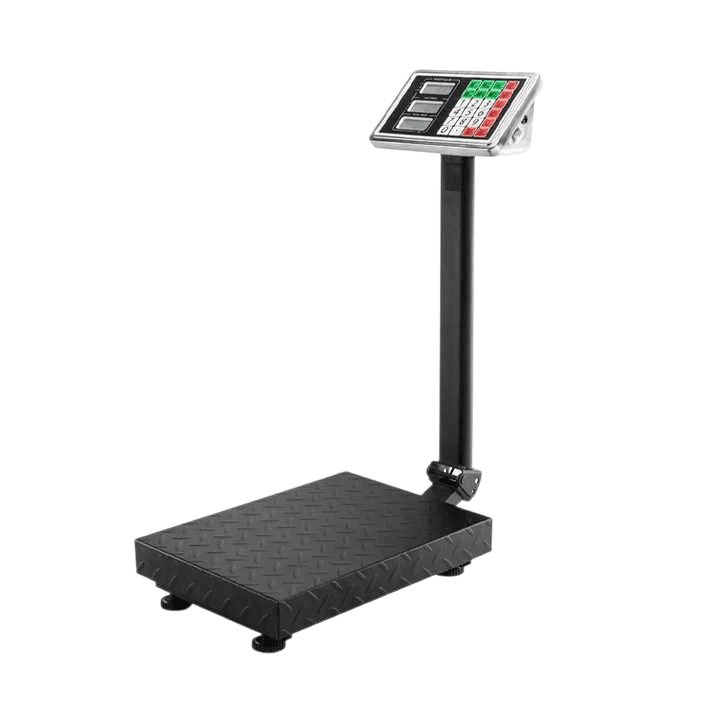
Platform Scales
These versatile scales feature flat weighing platforms ideal for boxes, drums, pallets, and bulky items. Capacities typically range from 300kg to 3000kg with platform sizes from 1m x 1m to 2m x 2m.
Best for: Warehouses, shipping departments, agricultural markets, manufacturing facilities
Nigerian applications: Weighing cocoa bags in Ondo State, checking cement bags in Ogun factories, verifying grain quantities in Kaduna markets
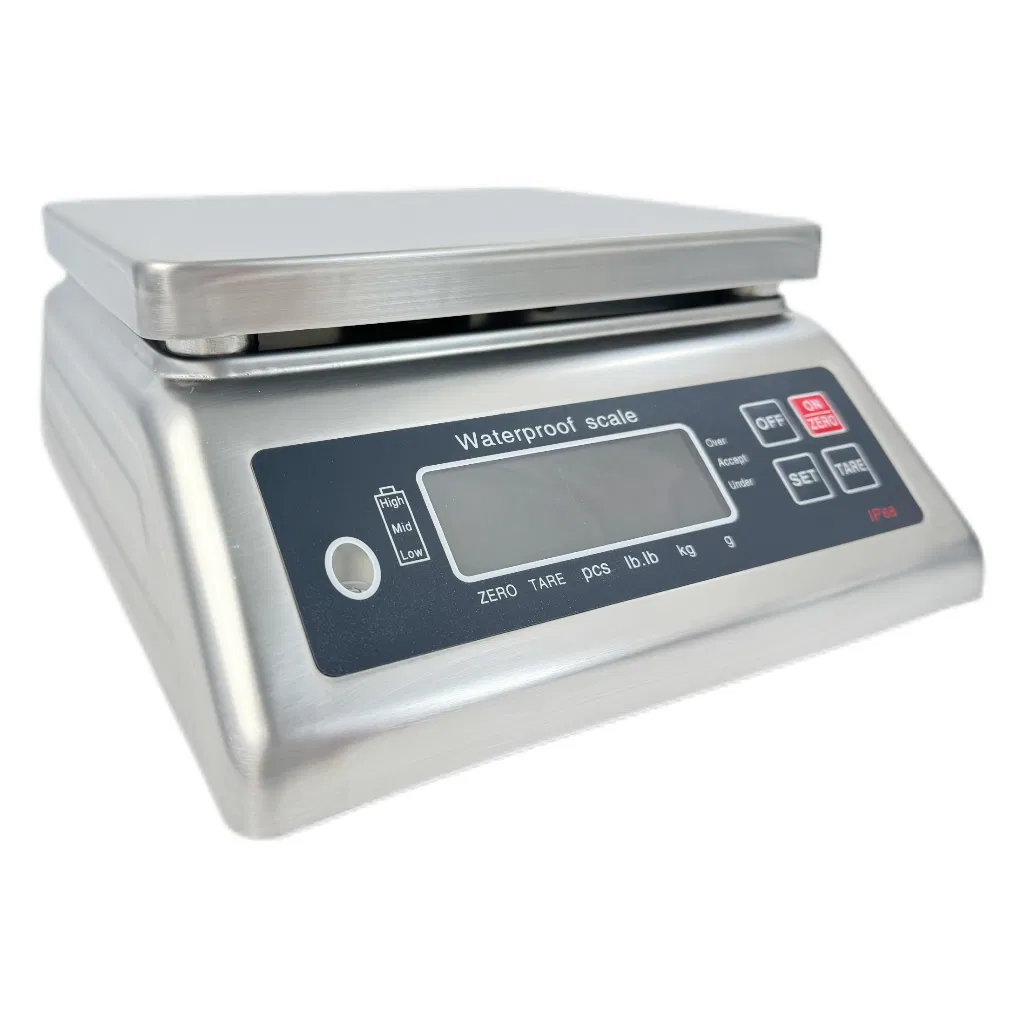
Bench Scales
Compact scales designed for countertop use, offering high precision for smaller items. Capacities usually range from 5kg to 150kg with stainless steel platforms for easy cleaning.
Best for: Retail shops, food processing, pharmaceutical compounding, jewelry businesses
Nigerian applications: Spice markets in Kano, pharmaceutical shops in Lagos, gold merchants in Ibadan
Counting Scales
Specialized scales that count identical items by weight rather than manual counting. Features include sample piece counting, accumulation functions, and high resolution for small parts.
Best for: Manufacturing assembly lines, spare parts businesses, fastener suppliers
Nigerian applications: Bolt and nut suppliers in Aba, electronic component distributors in Lagos, pharmaceutical tablet counting
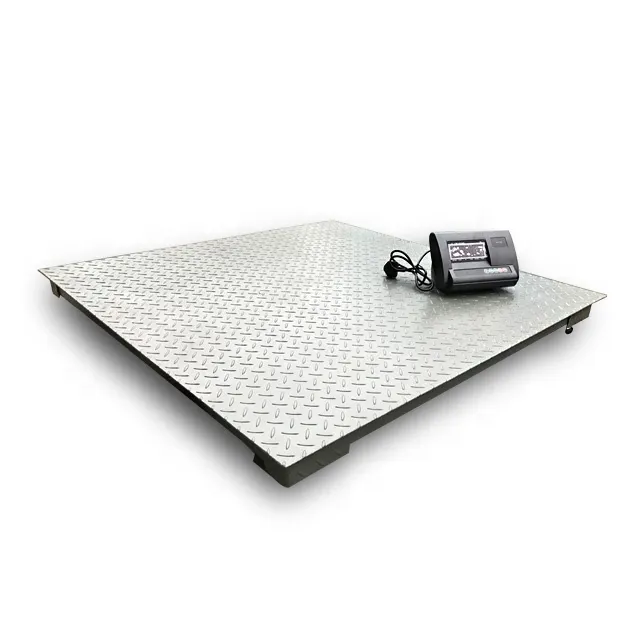
Heavy-Duty Floor Scales
Industrial-grade scales built into the floor or mounted on low-profile platforms. Capacities from 1000kg to 10,000kg designed for vehicles, heavy equipment, and large containers.
Best for: Logistics companies, construction firms, mining operations, heavy manufacturing
Nigerian applications: Construction material suppliers in Abuja, steel distributors in Port Harcourt, quarry operations nationwide
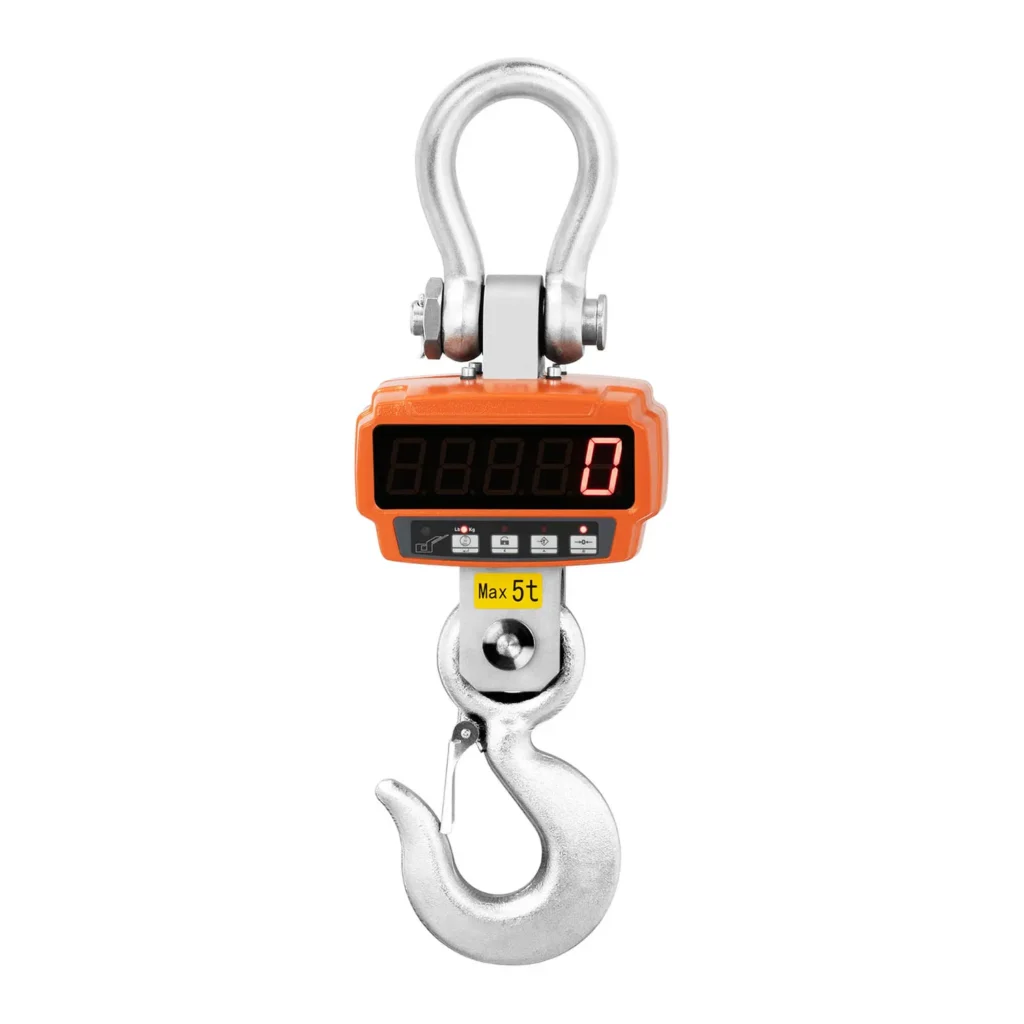
Crane Scales
Hanging scales that weigh suspended loads using hooks or attachments. Available in digital and mechanical models with wireless remote displays for safety.
Best for: Shipping ports, steel mills, construction sites, warehousing
Nigerian applications: Apapa Port cargo handling, steel fabrication in Lagos, construction projects across Nigeria
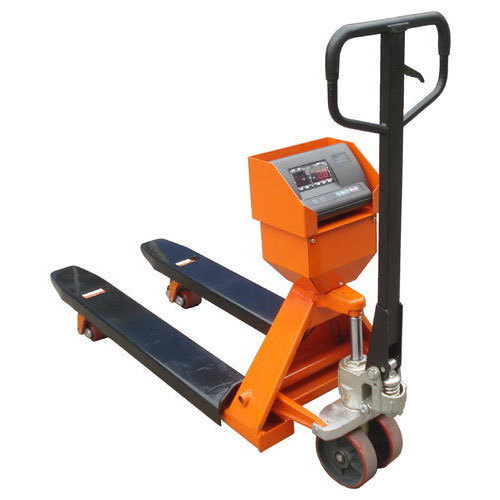
Pallet Scales
Low-profile scales integrated into pallet jacks or designed for easy pallet weighing. Eliminates the need to transfer goods to a separate scale.
Best for: Distribution centers, export operations, warehouse management
Nigerian applications: FMCG distribution centers, agricultural export facilities, pharmaceutical warehouses
Industry-Specific Applications
Food and Beverage Industry
Nigerian food processors face stringent requirements for weight accuracy. Industrial scales enable ingredient measurement for recipe consistency, portion control in packaging, compliance with NAFDAC labeling requirements, and quality assurance throughout production.
A bakery in Lagos using precision bench scales achieved 99.8% batch consistency, reducing customer complaints by 85% and saving ₦2.4 million annually in ingredient costs.
Agriculture and Commodity Trading
Nigeria’s agricultural sector relies heavily on accurate weighing for fair transactions. Farmers and traders use industrial scales to verify produce quantities, determine fair market prices, track harvest yields, and facilitate export documentation.
Cocoa exporters in Cross River State reduced weight disputes with international buyers from 15% of transactions to less than 1% after implementing certified industrial weighing systems—protecting both their reputation and revenue.
Manufacturing
From textile factories in Kano to cement plants in Ogun State, manufacturers depend on industrial scales for raw material receiving, in-process quality checks, finished goods verification, and shipping confirmation.
A plastic manufacturer in Lagos integrated counting scales into their production line, reducing inventory count time from 8 hours to 45 minutes—allowing daily instead of weekly inventory updates.
Pharmaceutical Industry
Pharmaceutical operations require exceptional precision. Industrial analytical balances and high-precision scales enable active ingredient measurement, tablet counting and verification, batch production monitoring, and regulatory compliance documentation.
NAFDAC regulations mandate accurate weight records for pharmaceutical production—making industrial scales not optional equipment but essential infrastructure.
Logistics and Transportation
Nigerian logistics companies use industrial scales to verify package weights for shipping costs, prevent vehicle overloading, confirm received quantities, and optimize load distribution.
A courier company in Abuja reduced shipping cost disputes by 92% after installing platform scales at their depot—each package now has documented weight records that customers can verify.
Construction and Building Materials
Construction businesses use heavy-duty scales for cement and aggregate batching, ready-mix concrete production, quality control of materials, and customer order verification.
A block-making business in Ibadan increased production efficiency by 35% using industrial scales to achieve precise cement-to-sand ratios, reducing structural failures and customer returns.
Oil and Gas
Petroleum distribution requires accurate measurement. Industrial scales enable tanker truck weighing for quantity verification, compliance with volumetric standards, theft prevention through documentation, and reconciliation of inventory.
Waste Management
Waste collection companies use industrial scales for billing based on tonnage, route optimization, compliance reporting, and recycling material valuation.
Cost Savings and ROI
Direct Cost Savings
Material Waste Reduction A 2-5% reduction in raw material waste is typical after implementing industrial scales. For a business using ₦10 million in materials monthly, that’s ₦200,000-₦500,000 in monthly savings.
Labor Efficiency Automated weighing reduces manual handling time by 40-60%, allowing staff redeployment to value-adding activities.
Shipping Cost Optimization Accurate weights prevent overcharging on dimensional weight pricing and ensure proper vehicle loading—savings of 3-8% on logistics costs.
Theft Prevention Documented weight records deter and detect unauthorized material removal, with businesses reporting 2-4% inventory shrinkage reduction.
Indirect Benefits
Customer Satisfaction Accurate orders reduce complaints and returns, improving customer retention rates by 15-25%.
Brand Reputation Consistent quality builds market reputation, often worth millions in long-term business value.
Faster Decision Making Real-time data enables agile responses to market conditions and operational issues.
Typical ROI Timeline
Small businesses (₦2-5 million investment): 8-18 month payback Medium enterprises (₦5-15 million investment): 12-24 month payback Large operations (₦15+ million investment): 18-36 month payback
These timelines assume moderate operational scale. High-volume operations often achieve faster returns.
Compliance and Quality Control
Regulatory Requirements in Nigeria
The Standards Organisation of Nigeria (SON) establishes accuracy standards for commercial weighing equipment. Industrial scales used for trade must be SON-certified and regularly calibrated by approved service providers.
NAFDAC requires food and pharmaceutical manufacturers to maintain weight documentation demonstrating product consistency and label accuracy.
Federal Road Safety Corps (FRSC) mandates weighing of heavy vehicles to prevent road damage—businesses operating truck fleets need weighbridge access.
Quality Management Systems
Industrial scales integrate with ISO 9001 quality management systems by providing objective measurement data, documented calibration records, traceability for batch production, and evidence for quality audits.
Nigerian businesses seeking international certification or export markets must demonstrate measurement accuracy—properly maintained industrial scales provide this verification.
Calibration Requirements
Commercial scales require calibration every 6-12 months depending on usage intensity. Calibration involves verification against certified reference weights, adjustment if readings drift beyond tolerance, and documentation for compliance records.
Mechatronix Group and other authorized service providers offer calibration services meeting SON requirements, ensuring your scales maintain legal compliance and measurement accuracy.
Technology Integration
Software Connectivity
Modern industrial scales connect to business systems via RS-232, USB, Ethernet, WiFi, or Bluetooth. This connectivity enables automatic data transfer to inventory management systems, integration with accounting software, real-time reporting dashboards, and cloud-based data storage.
A manufacturing facility in Ogun State integrated their platform scales with their ERP system—every incoming delivery now automatically updates inventory records without manual data entry, eliminating 8-12 data entry errors weekly.
Automated Systems
Advanced implementations include conveyor-integrated checkweighers, automatic label printing with weight data, barcode scanning synchronized with weighing, and rejection systems for out-of-spec items.
These automations particularly benefit high-volume operations where manual processes create bottlenecks.
Mobile Solutions
Battery-powered portable scales with Bluetooth connectivity enable field weighing operations—agricultural applications, delivery verification, and mobile trading scenarios.
Data Analytics
Weight data over time reveals valuable insights including material consumption patterns, production efficiency trends, seasonal demand variations, and supplier consistency.
Nigerian businesses using data analytics report identifying cost-saving opportunities worth 3-7% of operational expenses through pattern analysis of weighing data.
Choosing the Right Industrial Scale
Capacity Requirements
Select scales with capacity 20-30% above your maximum expected load. This buffer prevents overloading damage and ensures accurate readings across your operating range.
A business regularly weighing 80kg loads should choose a 100kg+ capacity scale for optimal performance and longevity.
Accuracy Needs
Different applications require different precision levels. Food ingredient measurement might need ±1g accuracy, while bulk aggregate weighing accepts ±0.5kg tolerance.
Higher precision typically costs more—match your accuracy requirement to actual needs rather than over-specifying.
Environmental Considerations
Nigerian operating conditions matter. Coastal businesses need corrosion-resistant stainless steel construction and IP65+ water resistance. Northern operations require dust-proof sealing. All locations should consider power backup given Nigeria’s electrical supply challenges.
Platform Size
The weighing surface must accommodate your largest items comfortably. Standard platform sizes include 400mm x 500mm for bench scales, 1000mm x 1000mm for medium platform scales, and 1500mm x 1500mm for large platform scales.
Connectivity Requirements
Determine whether you need standalone operation, basic USB connection, or full network integration. Future-proof your investment by choosing scales with connectivity options even if not immediately needed.
Budget Considerations
Entry-level industrial scales start around ₦150,000-₦300,000 for basic bench scales. Mid-range platform scales cost ₦500,000-₦1.5 million. Heavy-duty systems reach ₦2-5 million depending on capacity and features.
Factor in installation costs (₦50,000-₦200,000), annual calibration (₦30,000-₦100,000), and potential software licensing fees when budgeting.
Mechatronix Group: Your Industrial Weighing Partner
Selecting the right industrial scale is only the first step—successful implementation requires expert support. Mechatronix Group brings 6 years of specialized experience delivering industrial weighing solutions to Nigerian businesses across all sectors.
Why Nigerian Businesses Choose Mechatronix Group
Government-Approved Supplier Mechatronix Group is certified by the Standards Organisation of Nigeria (SON), ensuring all equipment meets Nigerian regulatory standards. Our scales come with SON compliance documentation required for commercial operations.
Comprehensive Product Range We supply the complete spectrum of industrial scales: bench scales for food processing and retail, platform scales for warehouses and manufacturing, counting scales for assembly operations, heavy-duty floor scales for logistics, crane scales for port and construction applications, and pallet scales for distribution centers.
Expert Consultation Our technical team assesses your specific requirements, recommends appropriate solutions, and ensures you invest in equipment that truly serves your needs. We’ve helped businesses across Lagos, Abuja, Port Harcourt, Kano, and other Nigerian cities select optimal weighing systems.
Professional Installation Proper installation is critical for accuracy and longevity. Mechatronix Group provides complete installation services including site assessment and preparation, equipment setup and leveling, calibration and verification, staff training on operation, and documentation of compliance.
Ongoing Support and Maintenance Industrial scales require periodic maintenance and calibration. Our service network offers regular calibration services meeting SON requirements, preventive maintenance programs, emergency repair services, genuine spare parts availability, and technical support via phone and on-site.
Industry-Specific Solutions
Mechatronix Group has successfully delivered weighing solutions to:
- Food Processing: Flour mills, bakeries, beverage bottlers, spice processors
- Agriculture: Commodity traders, export facilities, farm cooperatives
- Manufacturing: Cement plants, plastic factories, textile mills, pharmaceutical producers
- Logistics: Courier services, freight companies, warehouse operators
- Construction: Building material suppliers, ready-mix concrete plants, block makers
- Retail: Supermarkets, wholesale distributors, market traders
- Oil and Gas: Petroleum depots, LPG distributors, tank farms
Technology Integration Expertise
Beyond selling equipment, Mechatronix Group helps businesses maximize value through software integration with existing ERP systems, custom data reporting solutions, automated weighing system design, and training on data analytics for business insights.
Quality Assurance
Every scale supplied by Mechatronix Group undergoes rigorous quality checks, arrives with manufacturer warranties, includes SON compliance certification, and comes with comprehensive documentation.
We partner with internationally recognized scale manufacturers while providing local support—giving you world-class equipment with Nigerian-responsive service.
Competitive Pricing
Mechatronix Group offers transparent pricing with no hidden costs. Our quotations include equipment costs, installation expenses, calibration services, and warranty terms—allowing you to budget accurately.
We also provide flexible payment options for qualified businesses, recognizing that industrial scale investments contribute to long-term profitability.
Get Started Today
Transform your business operations with industrial weighing solutions from Mechatronix Group. Our team is ready to assess your needs, recommend optimal equipment, and support successful implementation.
Contact Mechatronix Group for a free consultation on industrial scales for your Nigerian business. With 6 years of proven experience, government approval, and commitment to customer success, we’re your trusted partner in precision weighing.